
Sony PlayStation
Japan 1994
USA & Europe 1995
|
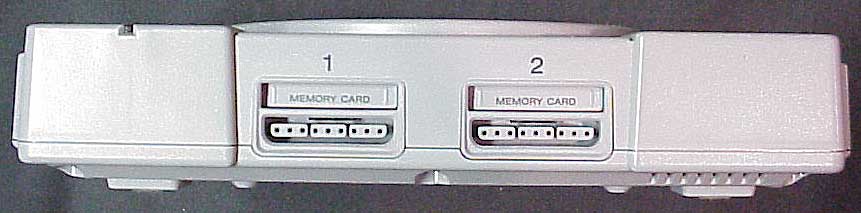
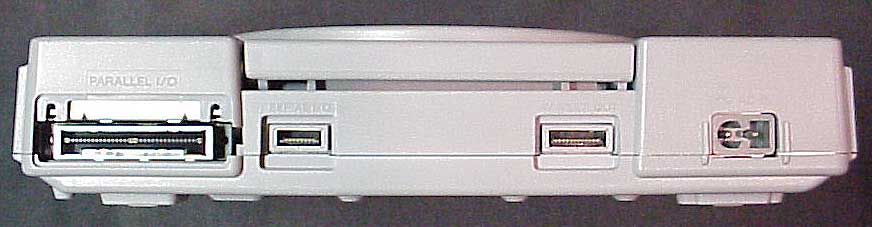
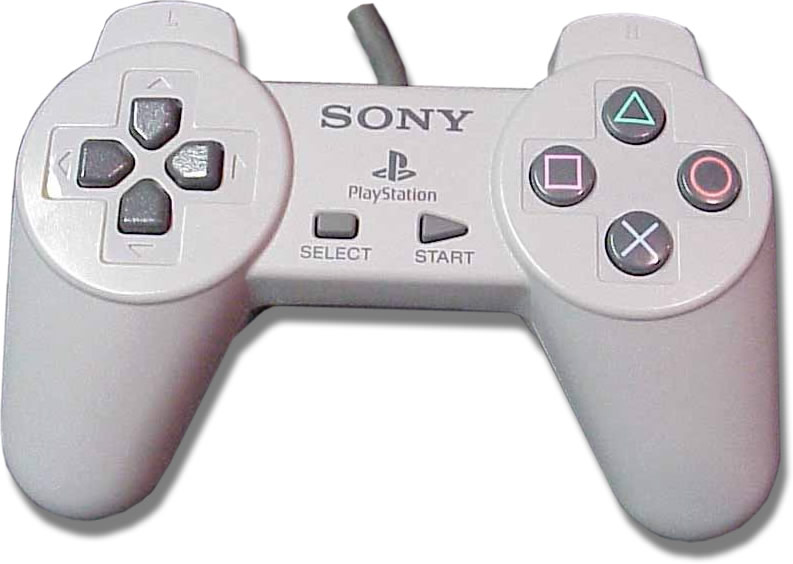
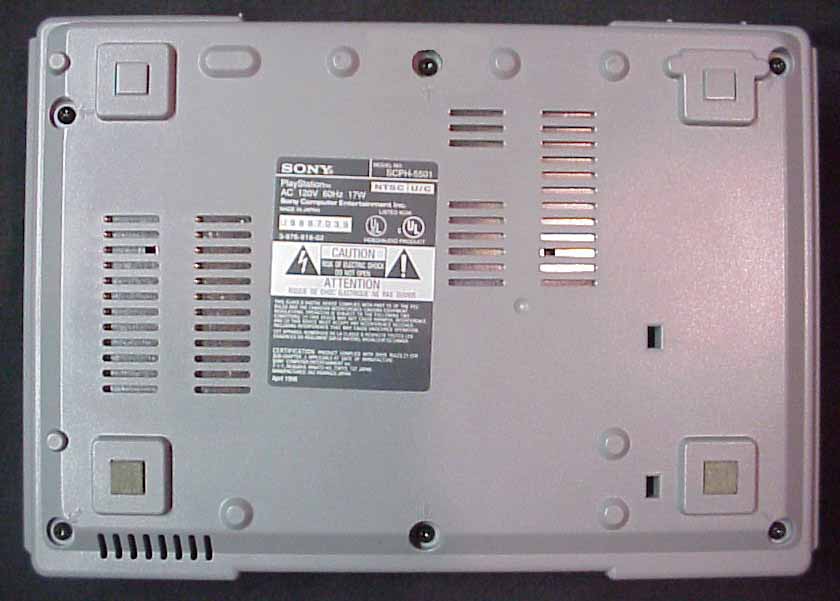
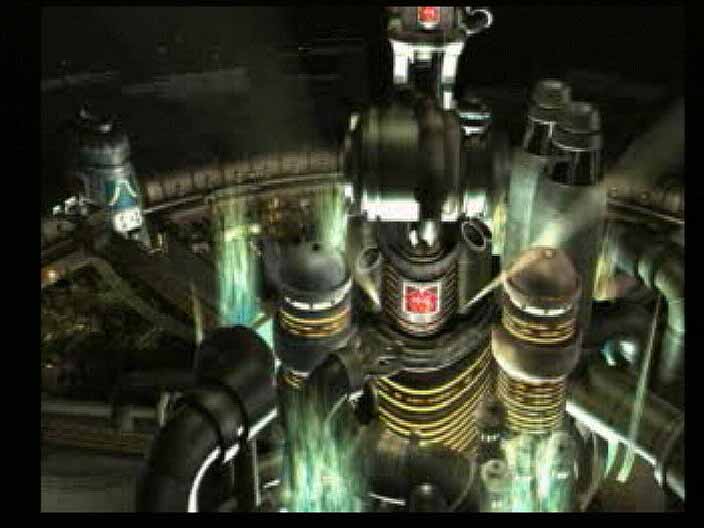
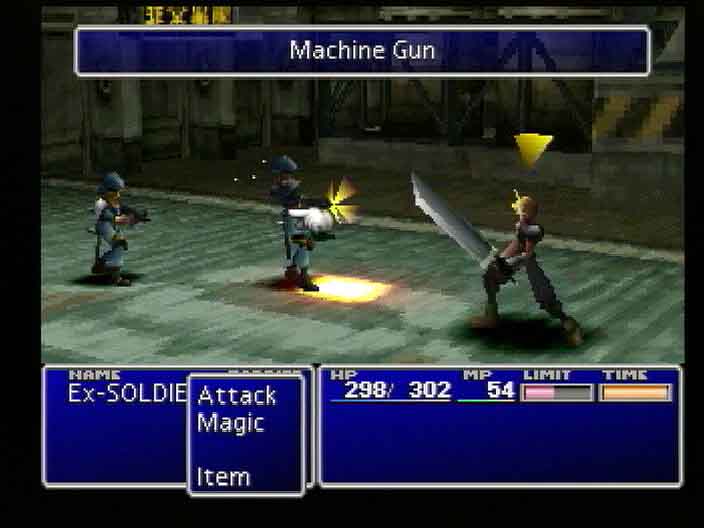
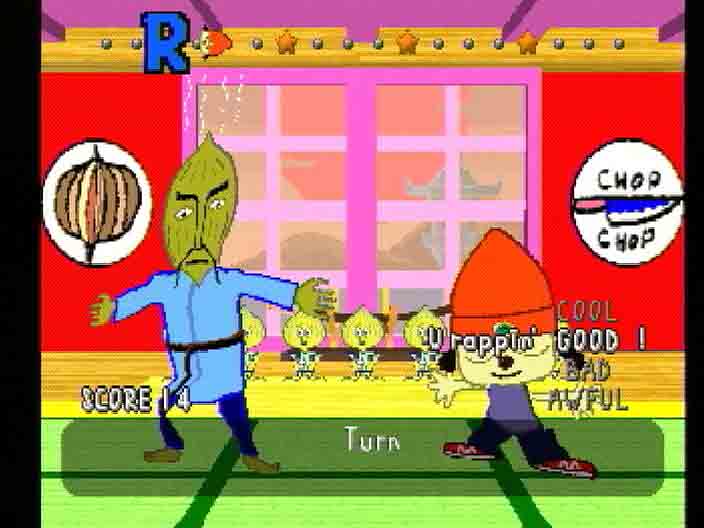
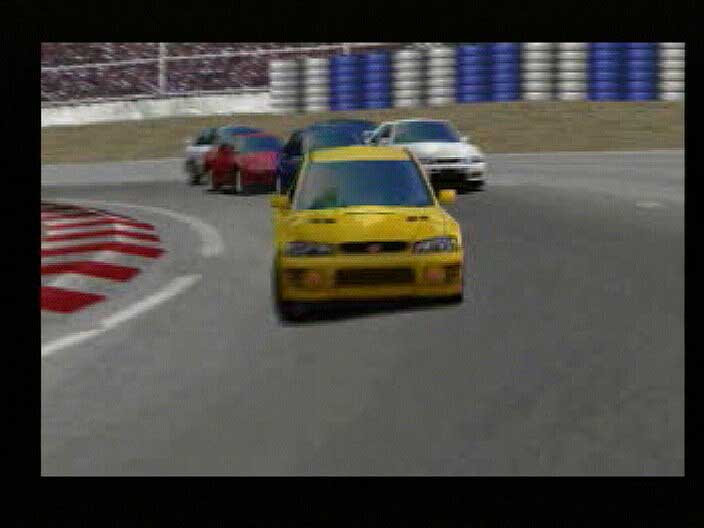
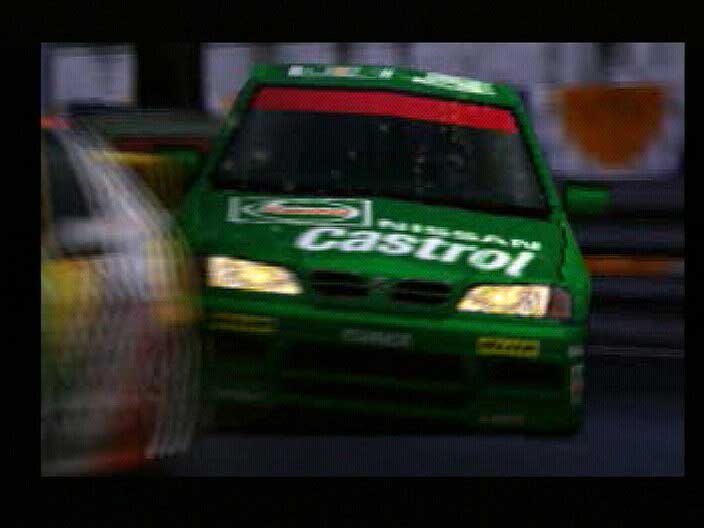
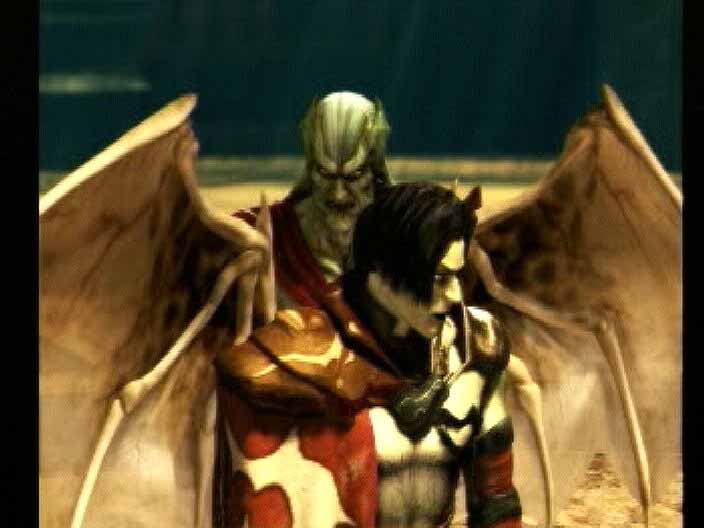
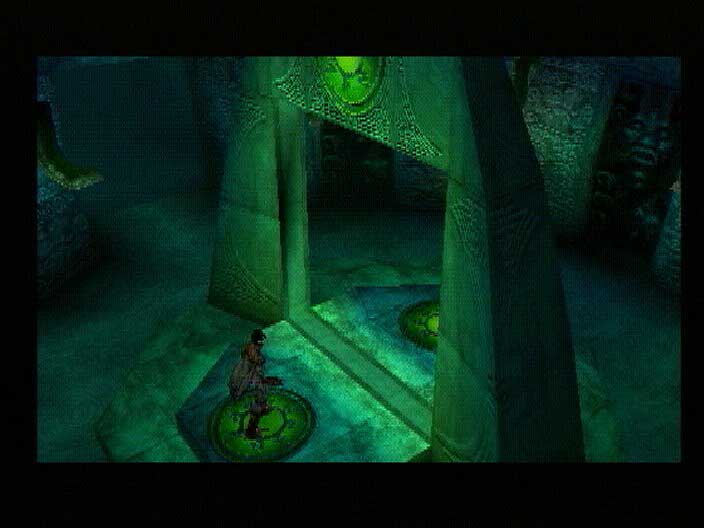
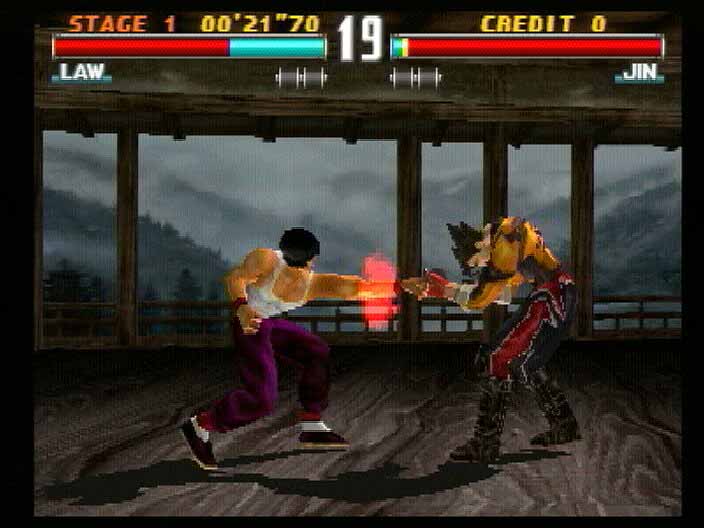
Introduction The PlayStation is the brainchild of Ken Kutaragi. He had always been facinated with technology and had imagined how more impressive computer technology could enhance game systems. He invisioned a higher-level computer based game system and knew what to call it. He figured that if computers that were used for work were called "workstations" then the same technology when used for entertainment should be called a "PlayStation." He realized that his vision of such a product was not shared with others at Sony and further identified that such radical change in market development often required an external influence. So rather than designing an entire gaming platform, he convinced the company to develop a piece of hardware that would interface with Nintendo's Super Famicom (the Japanese name for the Super Nintendo Entertainment System). This device, to be called the Playstation, was a CD-ROM peripheral for the Super Famicom much like the Sega CD was for the Megadrive and Genesis. However, at the 1991 Consumer Electronics Show, Nintendo announced that they had formed a partnership with Philips to create their new CD-ROM expansion device. The management at Sony was furious, but rather than back down, they invested more into the design and made the PlayStation a freestanding platform of its own that utilized the compact disc as its game delivery format. At that point, it was not just business, it was a matter of honor and ever since, Sony has tried to do their best to beat Nintendo at what was originally their own game. History shows that the PlayStation actually sold in record numbers and far surpassed overall sales of the Nintendo-64 (Nintendo’s competing console). At the time of the introduction their PlayStation 2, Sony had sold over 50 million original PlayStations worldwide. Unlike previous systems, the PlayStation was developed with 3D gaming in mind and was capable of rendering very detailed immersive environments in which the player could navigate and explore. Furthermore, utilizing the compact disc as a game distribution method enabled developers to create virtual worlds that included enormous environments enhanced with CD-quality soundtracks and supported with full-motion video. In fact, those designers and programmers that found that 700Mb was too limiting for their vision could simply include another disc or two or more. (e.g., Riven, the sequel to MYST, required 5 PlayStation discs!)
Specifications
Release history 1994 December - Japanese Launch 1995 September - North American and European Launch 2000 November - Released the PSOne |
|||||||||||||||||||||||||||||||||||||||||||||||||||||||||||||||||||||||||||||||||||||||




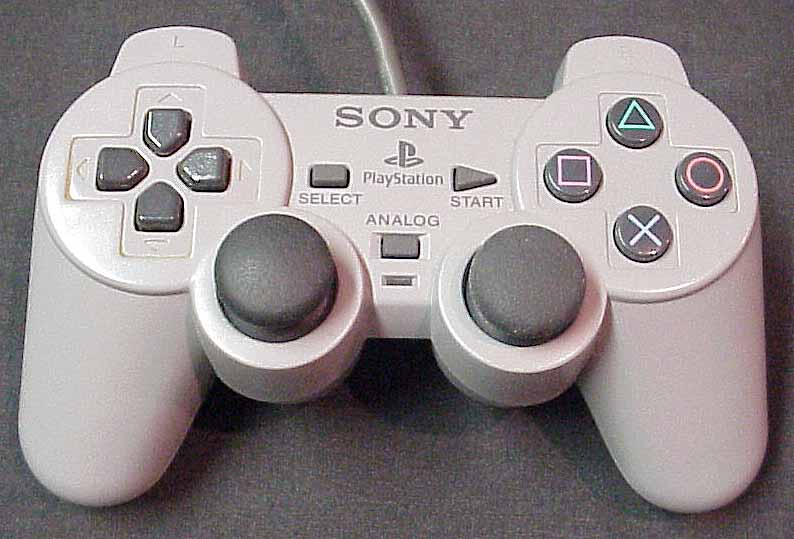
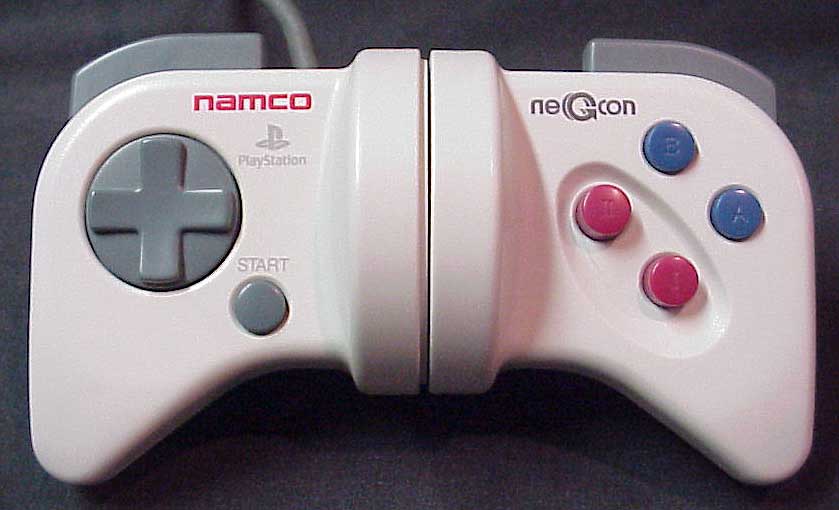
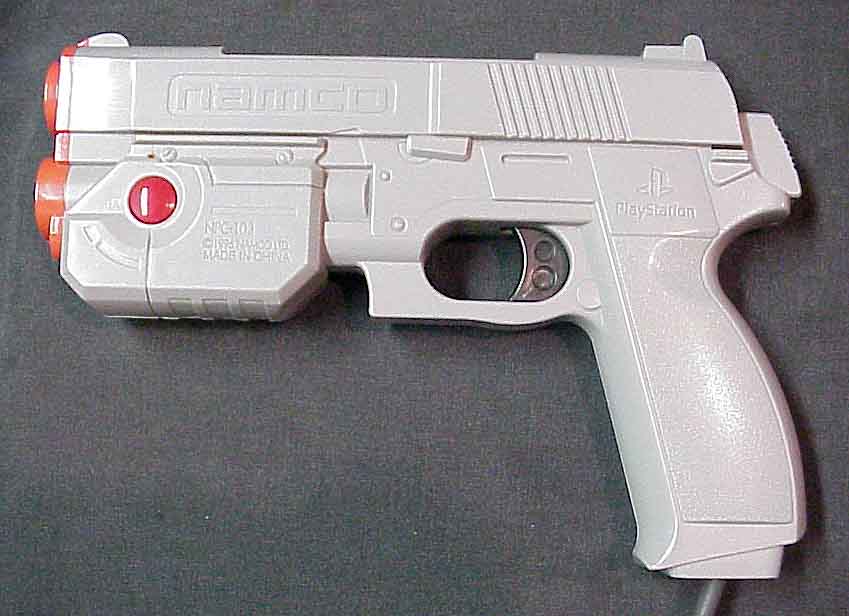
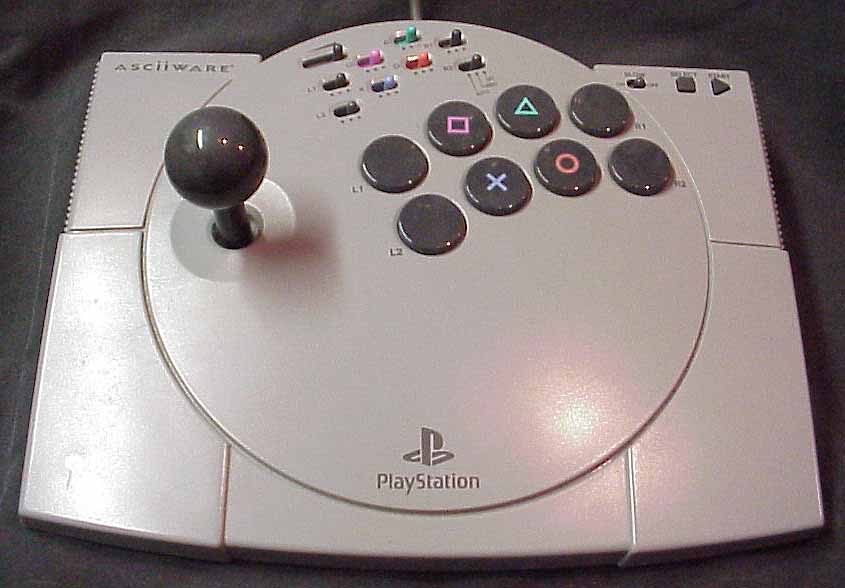




  |
Last Updated on 3 February, 2005 | For suggestions please mail the editors |
Footnotes & References
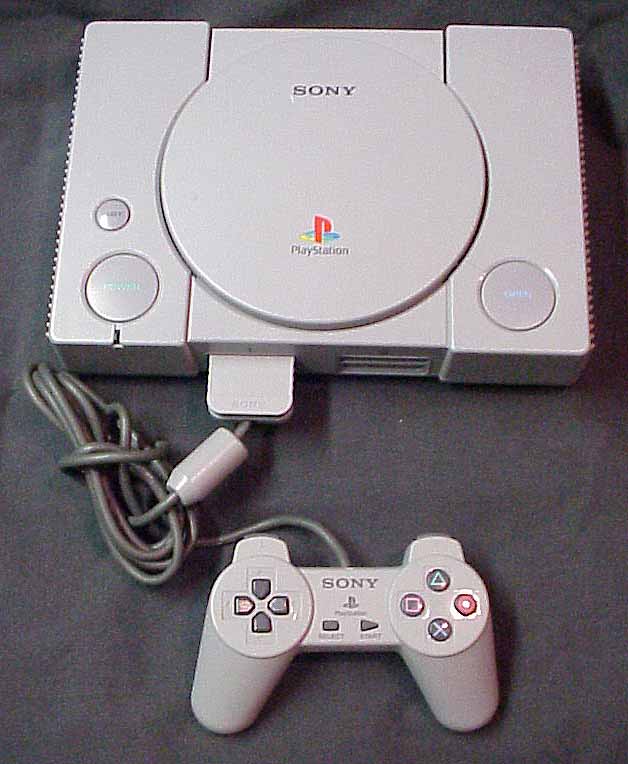
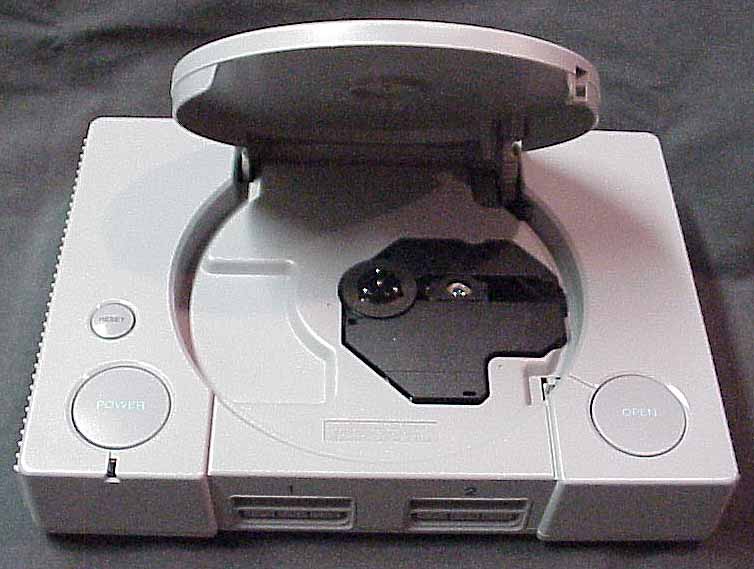
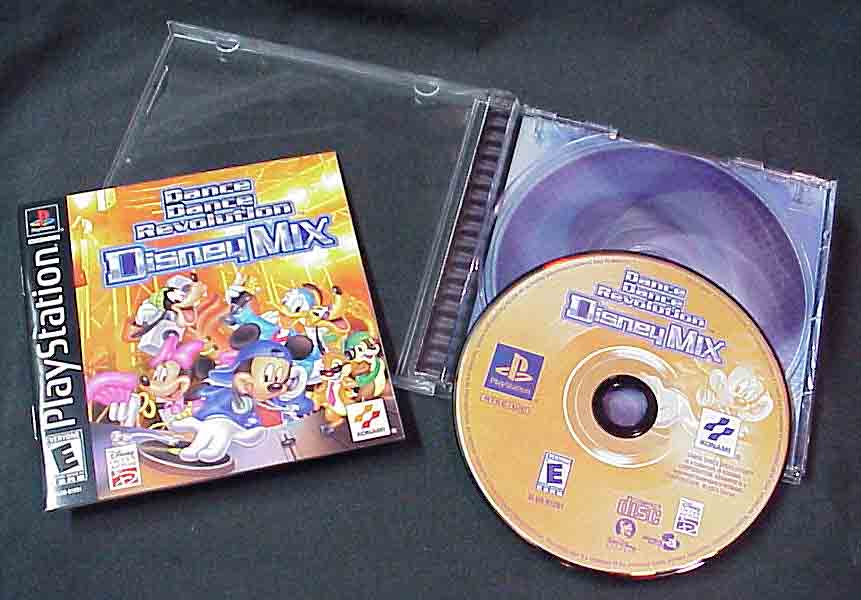
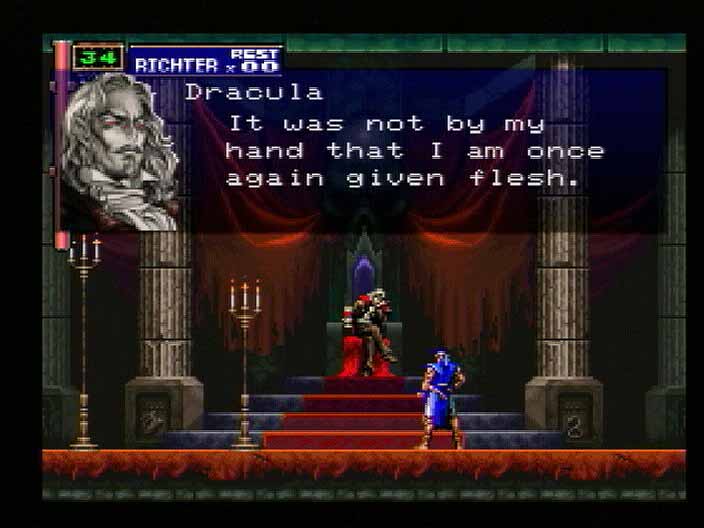
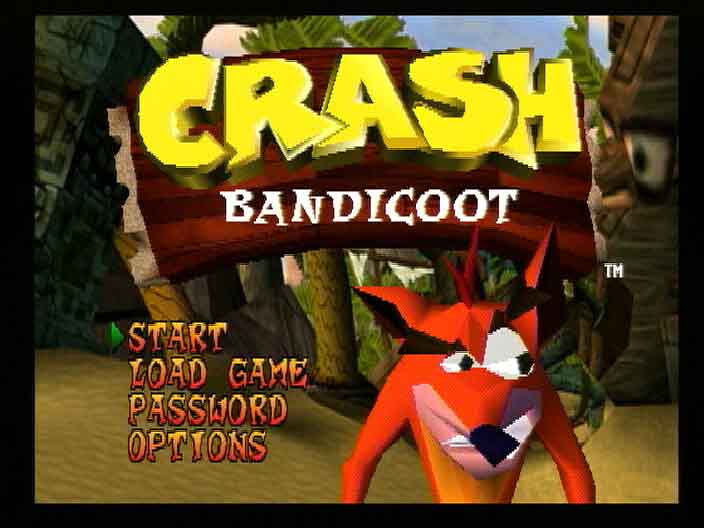
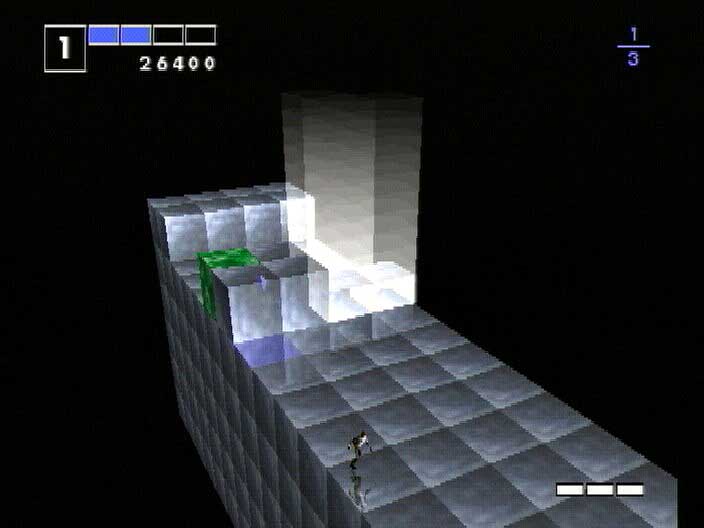
| 1 | All photographs taken by Ted Stahl and are copyrighted Ted Stahl and The History of Computing Project, 2005. |